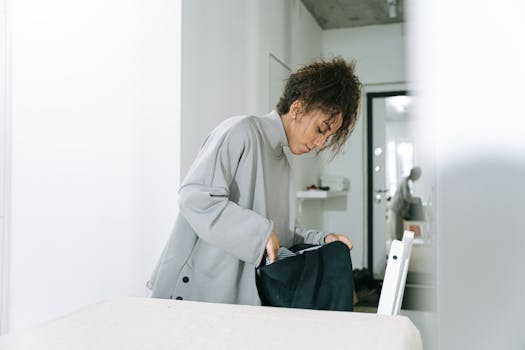

Have you ever stood in front of a closet overflowing with clothes, yet felt a peculiar pang of emptiness, a sense that something is missing? Perhaps it’s not a lack of garments, but a disconnect from their origins, their impact, and their true value. This feeling, more than a fleeting trend, is often the quiet call to embrace sustainable fashion choices for a more eco-friendly lifestyle. It’s a journey that asks us to look beyond the immediate gratification of a new purchase and consider the deeper narrative woven into every stitch. But where do we even begin to untangle this complex tapestry?
It’s easy to feel overwhelmed. The fashion industry, a colossal global entity, is notorious for its environmental footprint and ethical quandaries. From the vast water consumption of cotton farming to the microplastic pollution from synthetic fibers and the often-exploitative labor practices, the cost of our sartorial choices can be surprisingly high. Yet, the desire for self-expression through clothing is innate. The question then becomes: can we reconcile our love for fashion with a genuine commitment to the planet? I believe we can, and the path lies in making more conscious, informed decisions.
Re-evaluating Our Relationship with “New”
One of the most profound shifts we can make involves questioning the incessant cycle of newness that fast fashion champions. Why do we feel compelled to constantly update our wardrobes? Is it a societal pressure, a need for novelty, or simply habit?
The True Cost of Fast Fashion: Consider the speed at which trends emerge and disappear. This rapid turnover necessitates cheap production, often at the expense of both environmental resources and human well-being. Garments are treated as disposable, destined for landfills after only a few wears.
Embracing Longevity: Instead of chasing fleeting styles, can we cultivate an appreciation for timeless pieces? Investing in quality over quantity means choosing garments that are built to last, transcending seasons and trends. Think about a well-made wool coat or a classic denim jacket – these pieces can serve you for years, reducing the need for frequent replacements.
Beyond the Brand Name: Uncovering Ethical Production
The allure of a popular brand can be powerful, but what lies beneath the polished advertising? Understanding the production process is crucial to making truly sustainable fashion choices for a more eco-friendly lifestyle.
Material Matters: The fibers used in our clothing have a significant environmental impact.
Natural Fibers: Organic cotton, linen, hemp, and Tencel™ Lyocell are often better choices. They are biodegradable and can be produced with less water and fewer chemicals. However, even “natural” can have caveats – conventional cotton, for instance, is a thirsty crop heavily reliant on pesticides.
Recycled & Innovative Materials: Look for recycled polyester (made from plastic bottles), recycled cotton, or innovative materials derived from agricultural waste. These divert waste from landfills and reduce the demand for virgin resources.
Fair Labor Practices: Ethical fashion also means ensuring that the people who make our clothes are treated fairly. Seek out brands that are transparent about their supply chains and committed to fair wages, safe working conditions, and no child labor. Certifications like Fair Trade can be helpful indicators.
The Power of Pre-Loved: Giving Clothes a Second Life
Perhaps the most impactful sustainable choice is to simply buy less new. The second-hand market offers a treasure trove of unique finds and significantly reduces the demand for new production.
Thrifting and Vintage: Exploring local charity shops, vintage boutiques, and online resale platforms can be an exciting adventure. You can often find high-quality, unique pieces at a fraction of their original price. It’s a form of fashion recycling that’s both economical and environmentally responsible.
Clothing Swaps: Organize or participate in clothing swap events with friends or your community. It’s a fun, social way to refresh your wardrobe without spending money or creating waste. You give away what you no longer need and gain something new-to-you in return.
Caring for Your Clothes: Extending Their Lifespan
The journey of a garment doesn’t end when you buy it; it continues with how you care for it. Proper maintenance is a cornerstone of sustainable fashion.
Washing Wisely: Opt for cold water washes whenever possible – this saves energy. Use eco-friendly detergents and avoid harsh chemicals. Air-drying your clothes instead of using a tumble dryer also significantly reduces energy consumption.
Repair and Repurpose: Don’t discard clothes at the first sign of wear. Learn basic mending skills, like sewing on a button or patching a small hole. For items that are beyond repair for their original purpose, consider repurposing them. Old t-shirts can become cleaning rags, and jeans can be transformed into shorts or bags.
Mindful Consumption: A Philosophy, Not Just a Purchase
Ultimately, embracing sustainable fashion choices for a more eco-friendly lifestyle is about cultivating a mindful approach to consumption. It’s a continuous learning process, an exploration of how our choices ripple outwards.
It’s not about perfection; it’s about progress. It’s about asking questions: Where did this come from? Who made it? What is it made of? What will happen to it when I’m done with it? These simple inquiries can transform our relationship with our wardrobes from one of passive consumption to active engagement.
Wrapping Up: Weaving a More Conscious Future
The path towards a truly eco-friendly lifestyle, punctuated by sustainable fashion choices, is not a rigid set of rules, but an evolving philosophy. It invites us to be curious, to question the status quo, and to discover the profound satisfaction that comes from aligning our values with our actions. By embracing pre-loved items, prioritizing ethical brands, caring for our garments, and simply buying less, we can collectively weave a more beautiful, more just, and more sustainable future for fashion. It’s a personal journey, yes, but one that has a powerful collective impact, proving that even our smallest sartorial decisions can contribute to a larger, more hopeful narrative.